


 (1).jpg)
This isn’t just about getting to Machu Picchu. It’s about everything that comes before it — the moments of stillness, the shared laughs around a campfire, the early morning light breaking over ancient peaks.
The Inca Trail challenges you, surprises you, humbles you… and rewards you in ways you never expect.
So if you’re ready to disconnect from the digital world and reconnect with something timeless, lace up your boots — the path to the lost city is calling.
Subscribe for destination inspiration, travel tips, trip itineraries, and everything else you need to be an expert traveler in this beautiful world.
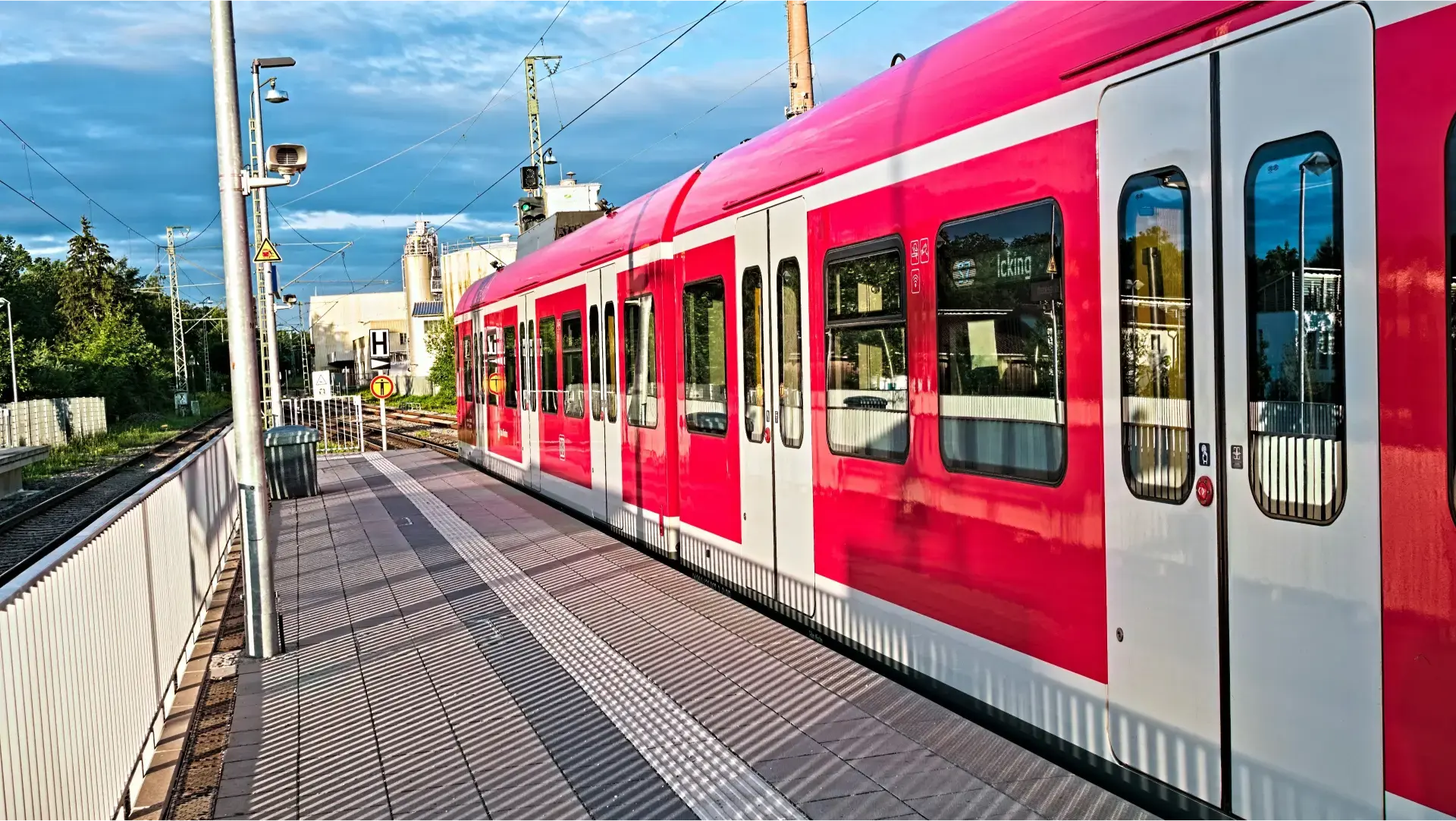
The French capital, Paris, is frequently referred to as the "City of Light" due to its extensive history, artistic creations, and romanticism. It is a global center of fashion, food, and culture and is well-known for famous structures including the Eiffel Tower, the Louvre Museum, and Notre-Dame Cathedral. Paris combines elegance and classic beauty, whether you choose to stroll along the Seine River, enjoy coffee at quaint cafés, or explore the creative neighborhoods of Montmartre. Train Travel from Paris to Rome: An Enchanting European Adventure A traditional European journey that transports you from the charming appeal of France to the historic center of Italy is taking the train from Paris to Rome. Depending on connections, the trip usually takes 10 to 14 hours and covers about 1,100 km (684 miles). Travel via Milan or Turin, combining high-speed TGV or Frecciarossa trains. The route offers breathtaking views, especially as you pass through the French Alps and into northern Italy. While there’s no direct train, the connections are smooth and comfortable, making it a great alternative to flying — eco-friendly, relaxing, and scenic.
More Info
The Bernina Express is one of the most scenic train routes in the world, connecting Switzerland and Italy through the Swiss Alps. It runs between Chur (Switzerland) and Tirano (Italy), passing through stunning landscapes, including glaciers, lakes, and mountain passes. The Bernina Express is one of the most scenic train journeys in the world, running through the Swiss Alps and connecting Chur (Switzerland) to Tirano (Italy). It is operated by the Rhaetian Railway (RhB) and is famous for its breathtaking landscapes, UNESCO World Heritage routes, and panoramic coaches that offer stunning views of mountains, glaciers, lakes, and picturesque villages. Famous Landmarks: Landwasser Viaduct– a spectacular curved stone bridge Brusio Spiral Viaduct– an engineering marvel with a circular loop Morteratsch Glacier– visible from the train Alp Grüm– a stunning mountain stop with breathtaking views
More Info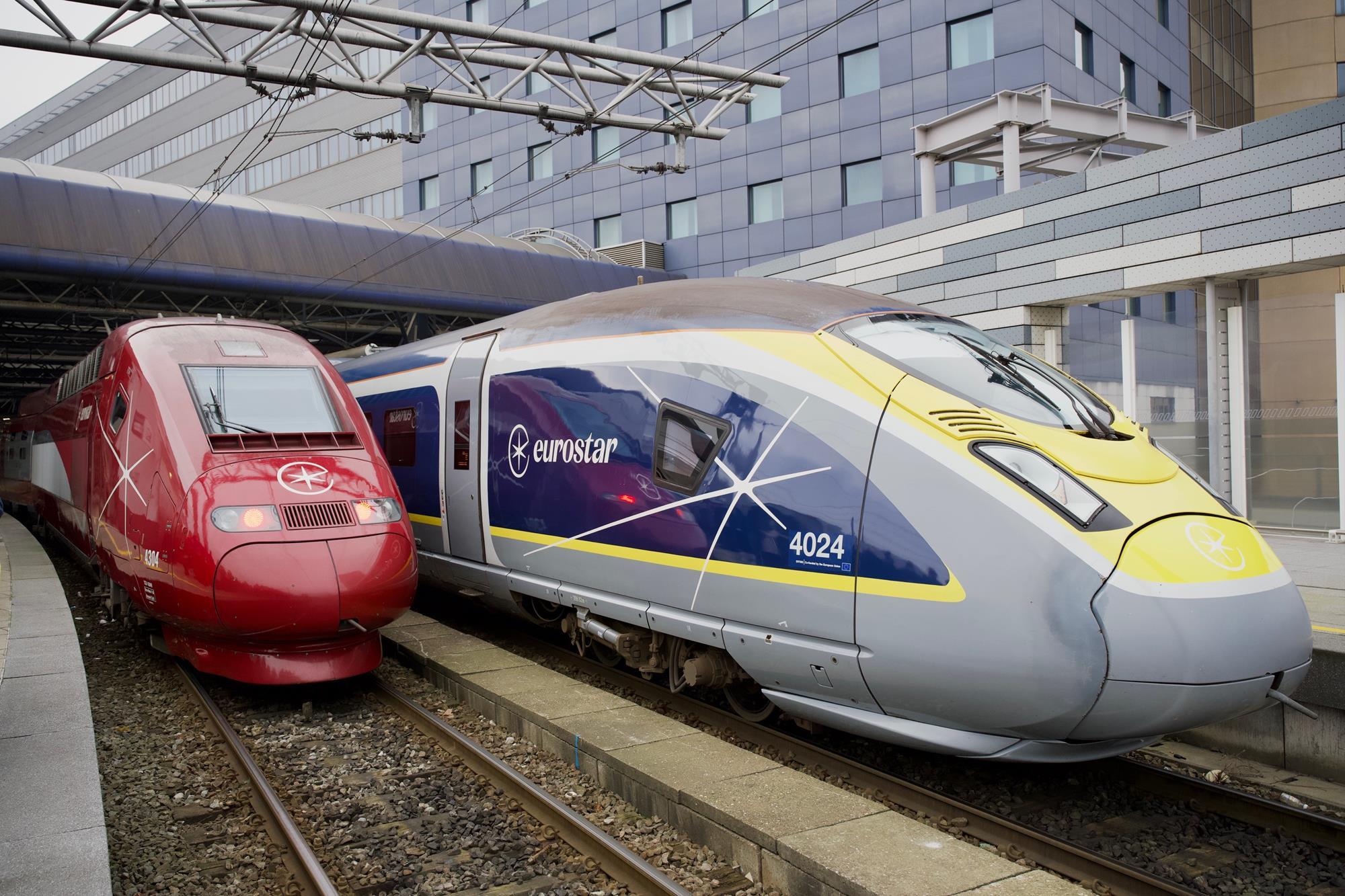
Amsterdam to Brussels by Train Traveling from Amsterdam to Brussels by train is a fast, comfortable, and scenic ride through the heart of Western Europe. The high-speed Thalys or Eurostar trains take you from the Netherlands to Belgium in as little as 1 hour and 50 minutes. The route passes through charming Dutch countryside and Belgian towns, making it a popular choice for both tourists and commuters. Departure:Amsterdam Centraal Arrival:Brussels Midi/Zuid Duration:~1h 50m (high-speed) Highlights Along the Way:Rotterdam, Antwerp
More Info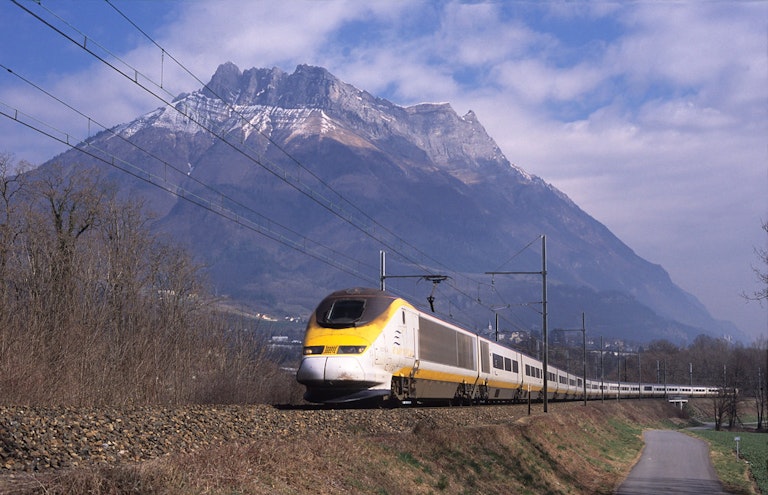
London - The capital of the United Kingdom, London, is a world-renowned metropolis renowned for its varied culture, famous landmarks, and lengthy history. Buckingham Palace, Tower Bridge, the British Museum, and Big Ben are all located there. With world-class theaters in the West End and ancient markets like Camden and Borough Market, the city is a financial, artistic, fashion, and entertainment hub. London is easy to explore because to its effective transportation system, which includes the well-known London Underground (Tube). Barcelona- Barcelona, a bustling coastal city in Spain, is well-known for its magnificent Antoni Gaudí architecture, including Park Güell and Sagrada Família. The city has a vibrant nightlife, stunning beaches, and a vibrant football culture that revolves around FC Barcelona. Tourists love to explore the historic Gothic Quarter, take a leisurely stroll down La Rambla, and sample delectable Catalan dishes like paella and tapas. Barcelona is a popular tourism destination in Europe because it successfully combines modernism with long-standing traditions.
More Info
Tokyo is the capital city of Japan and one of the most populous cities in the world. It’s a global hub for finance, culture, and technology. Known for its mix of modern skyscrapers, traditional temples, cutting-edge fashion, and efficient transport, Tokyo is a vibrant and fast-paced city. Yokohama is Japan’s second-largest city, located just south of Tokyo. It’s a major port city known for its beautiful waterfront, international influence, and modern architecture. Yokohama has a relaxed vibe compared to Tokyo, with attractions like the Cup Noodles Museum and a large Chinatown district. Shinkansen (Bullet Train) Line: Tokaido Shinkansen Travel Time: Approximately 18 minutes Fare: Around ¥1,380 for an unreserved seat and ¥3,210 for a reserved seat JR Tokaido Main Line Travel Time: Approximately 23–30 minutes Fare: Approximately ¥500–¥1,000 Keihin-Tohoku Line Travel Time: Approximately 40 minutes Fare: Approximately ¥500–¥1,000 TravelPander+6 Narita Express (N'EX) Service: Direct service from Narita Airport to Yokohama Booking: Reservations can be made online All these trains are modern, punctual, and offer a comfortable travel experience. If you're looking for a scenic or luxury train journey within Japan, options like the Saphir Odoriko or Seven Stars in Kyushu might be of interest.
More Info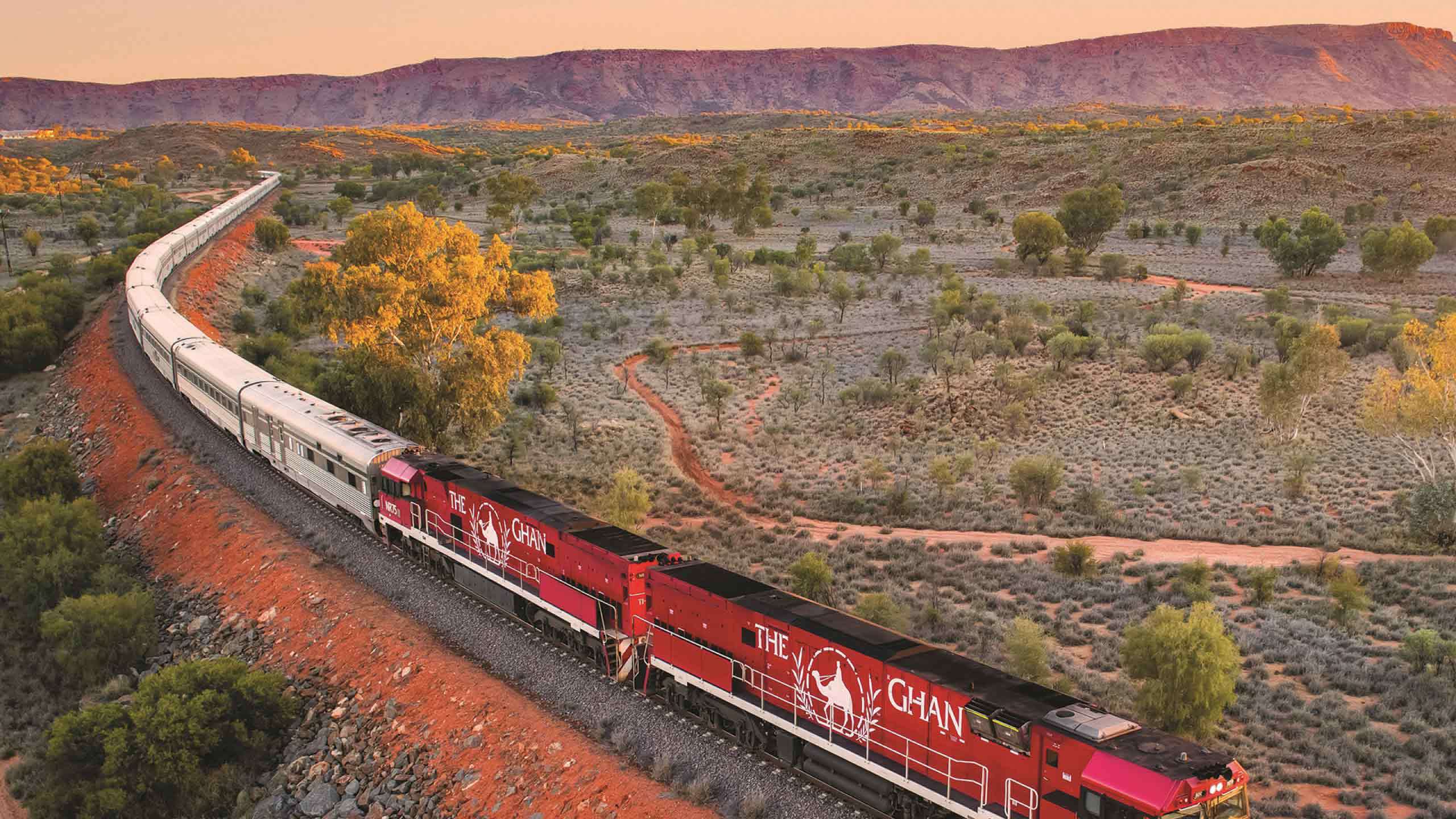
Cairns is a tropical city in Queensland, known as the gateway to the Great Barrier Reef, one of the world's most spectacular natural wonders. It’s also close to the ancient Daintree Rainforest. Popular for snorkeling, diving, and eco-adventures, Cairns offers lush landscapes, reef cruises, and Indigenous cultural experiences. Uluru, also known as Ayers Rock, is a massive red sandstone monolith in the heart of the Northern Territory. It holds deep spiritual significance to the Anangu Aboriginal people. Surrounded by desert and located in Uluru-Kata Tjuta National Park, it's famous for glowing colors at sunrise and sunset, stargazing, and cultural walks. Experience Australia's heartland in style by traveling from tropical Cairns to the Red Centre's iconic Uluru with a journey that includes the legendary Ghan Train. Start in Cairns, known for its lush rainforests and the Great Barrier Reef, then make your way south to Adelaide, where you board The Ghan — one of the world’s greatest rail journeys. Over several days, The Ghan takes you through the rugged Outback, with stops in Alice Springs and Katherine, offering immersive off-train excursions. From Alice Springs, transfer to Uluru (Ayers Rock) by road or air, where you can witness the majestic rock formations and sacred Aboriginal culture.
More Info (1).jpg)
.jpg)
.jpg)